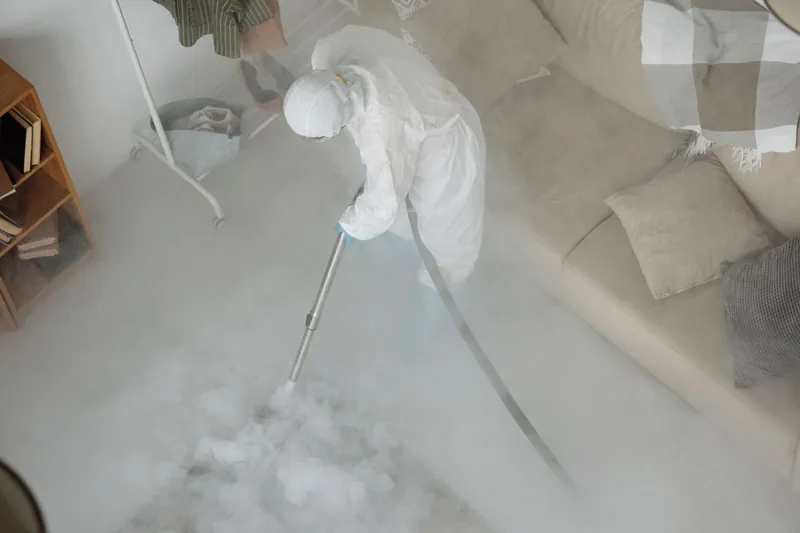
Biohazard Decontamination
Full decontamination of rooms, surfaces and air after infectious or hazardous exposure.
See biohazard decontaminationGet suspected fentanyl powder and residue assessed and cleaned from a home, rental, business or vehicle in Lesslie. The cleanup can include containment, material removal, controlled disposal and verification.
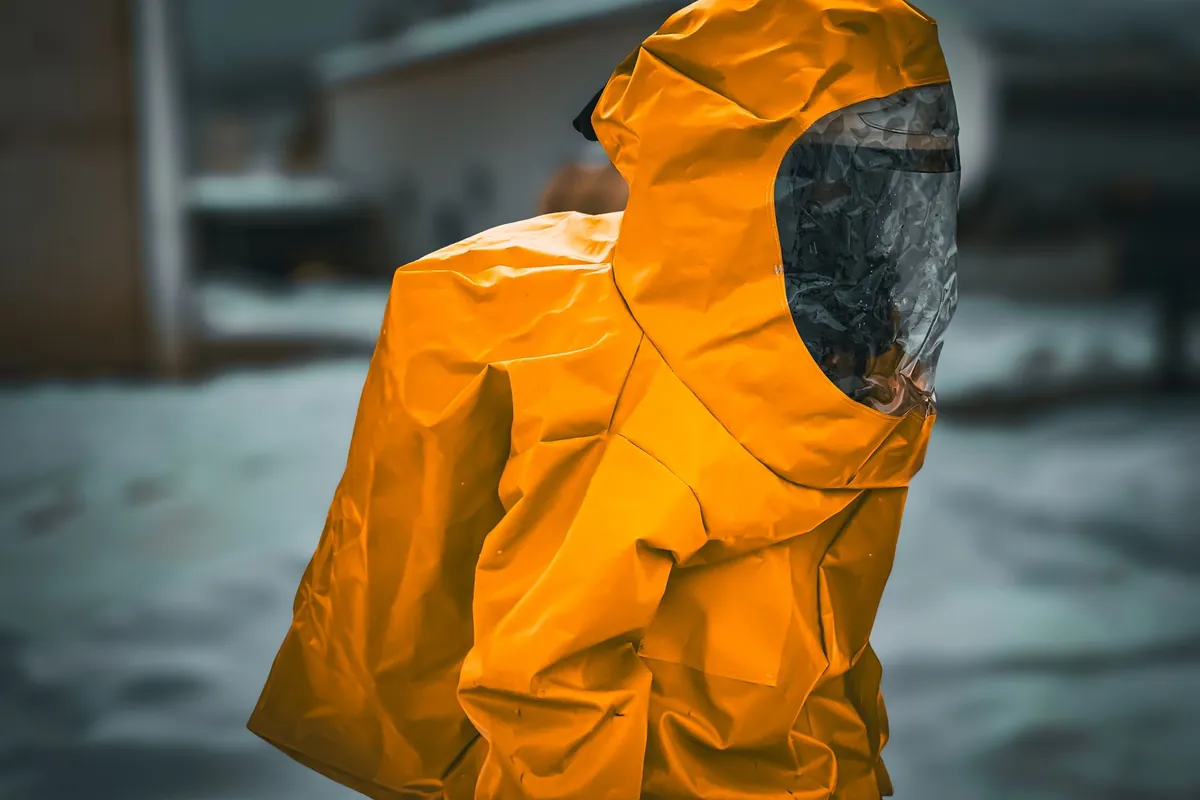
Fentanyl decontamination uses controlled methods to clean suspected powder and residue from a room, vehicle, personal belongings or building surfaces. This allows an evaluation of whether the affected area is safe to use.
Ordinary cleaning services are not suited to this work. A potent synthetic opioid, fentanyl can spread as powder when shoes track it or someone blows, sweeps or vacuums it. Professional cleanup identifies the materials that are contaminated, reduces further movement and relies on protective equipment selected for existing conditions.
The scope may include residue assessment, containment, careful collection of loose material, surface cleaning, removal of items that cannot be cleaned, waste disposal and verification. Drug paraphernalia, needles, unknown powders or bodily fluids can add separate hazards. Each one is assessed before the cleaning process begins.
Belongings are evaluated by material and exposure. Your belongings are documented and discussed with you ahead of removal if conditions make that possible.
Photographs, work notes, test paperwork and waste records can support conversations with insurance companies and property documentation.
Day and night call answering is available. Crews protect your privacy by arriving in unmarked vehicles at homes, businesses, rentals or vehicles.
You hear what areas are included, what testing is proposed and what could change the cost before deciding how to move forward.
Consider fentanyl cleanup when drug-use items, possible powder or suspected residue might have been left inside a property or vehicle. Common examples are:
A truck or car may have suspected powder in its vents, storage areas, door panels, carpet or seats.
Property owners need an evaluation before a new occupant enters any affected areas where a former tenant left drug paraphernalia, powder or packaging.
Once law enforcement releases the property, suspected drug contamination and items left behind still require controlled cleaning.
The substance is not confirmed, so the area is treated cautiously while testing, sharps and hazardous waste needs are considered.
Prevent anyone from making contact or spreading the material. When a person shows possible opioid overdose signs, including unconsciousness or slowed breathing, call 911 for emergency assistance. If naloxone is on hand and you know its proper use, administer it.
Call (888) 440-9227Published figures in two biohazard pricing guides range from $3,000 to $20,000 per fentanyl cleanup job in one guide and $5,000 to $30,000 in the other. These broad ranges are guides, not pricing for a particular site. Actual scope depends on residue quantity and spread, testing, protective equipment, disposal and removal of affected materials.
These ranges come from published national cost guides, not from a site visit. After an on-site assessment, the price for your property is determined and shared with you before cleanup begins.
Ask about cost: (888) 440-9227Insurance may or may not cover fentanyl cleanup, depending upon the property type, the loss cause and the policy. When there is no urgent safety emergency, check with the insurance company ahead of the work and do not presume coverage applies to drug residue.
When seeking insurance assistance or maintaining property files, save the incident report, safely taken photos, work scope, waste documents, testing records and an item list.
An owner might arrange cleanup related to tenant conduct before addressing who pays through legal action, insurance or lease terms. Payment responsibility varies with the circumstances.
Homeowners or renters insurance is usually the first place to ask about cleanup costs. After a death the estate often pays, and in a rental the owner usually arranges the cleanup.
Policy exclusions can apply to contamination, damage caused by a tenant or illegal activity. You should retain the claim number after reporting what happened and asking whether coverage applies.
A fentanyl remediation process moves from assessment to containment, cleaning, disposal and verification. The exact method depends on the substance, amount, surfaces and whether the contamination is limited to one spot or has spread.
Technicians examine the discovered material, law enforcement details and potentially impacted belongings, rooms or parts of a vehicle.
When the substance or affected boundaries remain uncertain, samples may be gathered under controlled conditions for appropriate analysis.
The work area is restricted, airflow is considered and technicians select gloves, clothing and respiratory protection for the documented conditions.
Technicians collect loose material without ordinary vacuuming or dry sweeping, lowering the chance of particles reaching surrounding areas.
Technicians match hard-surface cleaning to the material and opioid residue, then use the selected product according to its instructions.
Before removal from the workspace, damaged or porous belongings that cannot be sufficiently cleaned are listed, isolated and packaged.
Collected powder, used protective equipment and removed materials are packaged and directed to an appropriate waste stream based on their classification.
An inspection follows completion of the planned work, with additional sampling possible if required by the cleanup plan or a property decision.

Phone any hour. You speak with a fentanyl decontamination specialist who outlines the process and schedules a start time with you.
Caution is necessary around possible fentanyl residue, since inhaled powder or powder entering the eyes, mouth or nose may seriously harm you. The concern is greater when its identity and quantity remain uncertain.
Fentanyl, another substance or a drug mixture could be present in visible powder. You cannot identify the material by sight, which means testing and a careful evaluation might be necessary.
Needles pose a puncture danger, and blood may carry bloodborne pathogens. You need appropriate protective gear, containers and disposal procedures for these hazards.
Walking through the area, using compressed air, sweeping dry material or vacuuming normally may carry small particles into adjacent rooms, belongings or parts of a vehicle.
Can you clean it yourself? An unknown powder should not receive normal household spill cleanup. An overdose is unlikely from brief fentanyl contact with skin by itself. Still, move away, do not touch your face and wash the exposed area with soap and water. Dial 911 if someone is unresponsive, extremely sleepy or having trouble breathing.
Cleaning may be possible for hard surfaces that can be reached, but deeply contaminated porous materials might require removal. Decisions depend on material condition along with verification requirements.
A contained, small-scale fentanyl cleanup can take one workday. Several rooms with contamination, work inside a vehicle, material that needs removal or laboratory testing may stretch the process over several days. Assessment gives you a better timeline.
| Scene | Typical time on site |
|---|---|
| Small, contained hard-surface area | May take no more than one workday after the assessment |
| One vehicle or room with contamination on multiple surfaces | The work may span one to several workdays |
| Laboratory analysis, material removal or several affected areas | May take several days, plus laboratory time |
A room or vehicle cannot be considered clean based on smell, since fentanyl residue might not produce a dependable warning odor. Residue removal and decontamination of the surface cannot be replaced with ozone, fragrance or an air freshener.
During cleanup, air quality work aims to stop particles from reaching new areas. Containment and managed airflow can help, as can correctly filtered equipment. Even so, collection of the source and cleaning of affected surfaces remain necessary. Any persistent odor from a different substance requires its own identification and removal process.
The full fentanyl decontamination guide covers what is cleaned or removed, odor and air quality work, and the rules that apply in South Carolina and York County.
Read the full fentanyl decontamination guideLocal housing, population and access details can shape containment, access and cleanup planning.
Only 11.8% of homes in Lesslie are renter occupied, so many cleanup decisions may rest directly with resident owners.
Local housing has a median build year of 1997, so cleanup should protect intact finishes while removing materials that cannot be disinfected.
About 74 older residents live alone in Lesslie, equal to 17.7% of seniors and still relevant to welfare planning.
The local 79.0% single-family share makes household level privacy practical while affected rooms are isolated and treated.
Your phone conversation can include questions about service in nearby ZIP codes and communities.
Full decontamination of rooms, surfaces and air after infectious or hazardous exposure.
See biohazard decontamination
Biological remediation removes contamination so the space can be safely used again.
See biohazard remediation
Cleanup removes drug residue, pipes and discarded needles from rentals and other properties.
See drug paraphernalia cleanup
Needle and sharps cleanup for yards, rentals, parks and encampments.
See needle and sharps cleanup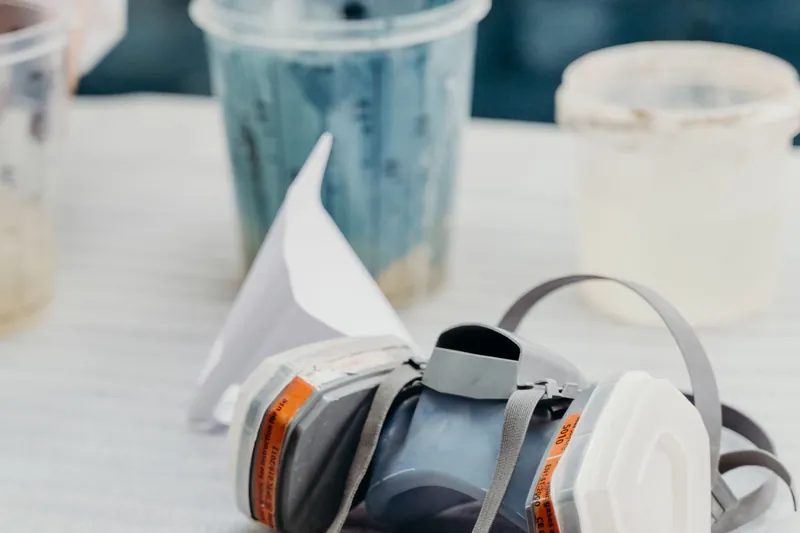
Residue tests, decontamination and clearance procedures are all part of meth lab cleanup.
See meth lab cleanup
Hazmat cleanup uses suitable protective equipment when addressing hazardous materials.
See hazmat cleanup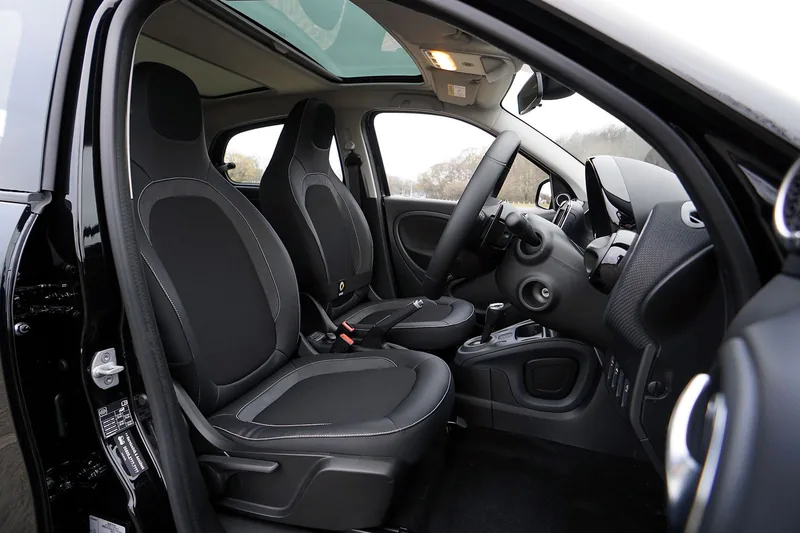
Biohazard cleanup covers vehicles including cars, trucks, recreational vehicles and boats.
See vehicle biohazard cleanup
Biohazard cleanup for hotels, Airbnb units and rental properties.
See hotel, airbnb and rental biohazard cleanupPolicies vary. While a policy can exclude contamination, tenant-caused damage or illegal activity, the circumstances surrounding another claim may change the result. You should tell the insurance company what occurred, ask directly about residue cleaning and tests, then keep the claim number and complete cleanup documentation.
A controlled cleanup process addresses building surfaces, vehicle interiors or belongings with suspected fentanyl powder or residue. The affected area may return to use after a process involving containment, assessment, surface cleaning, testing, verification, waste disposal, collecting powder and removing uncleanable materials.
The process starts with locating affected areas in the house, followed by limits on access to the work zone. Loose material is collected under controlled conditions. Surfaces that can be restored are treated for opioid residue, while porous items may need removal when contamination has penetrated deeply. An inspection documents completion of the cleaning process, with follow-up samples added when needed.
For powder you cannot identify, avoid sweeping with a broom, collecting it in a household vacuum or applying an ordinary spray cleaner. Particles can travel because of those actions. Keep people and pets away, call 911 if anyone may be exposed or overdosing, and seek professional cleanup advice for visible residue, widespread contamination, needles or an uncertain substance.
Sometimes. A car or truck may contain suspected residue across its seats, carpet, console, door panels, compartments or interior property. Cleaning fentanyl from vehicles requires attention to absorbent materials and small spaces. Do not operate fans when powder may be close to an air intake or vent.
Never create your own chemical blend to address possible fentanyl. A product must be compatible with the surface, suitable for the identified contamination and used according to its directions. Keep bleach and other harsh chemical products away from your skin. For skin contact, leave the area and wash with soap and water.
Respectful, discreet fentanyl decontamination is available 24 hours a day, and crews arrive in unmarked vehicles.